Overview of the 21-Day Bone Broth Diet Plan PDF
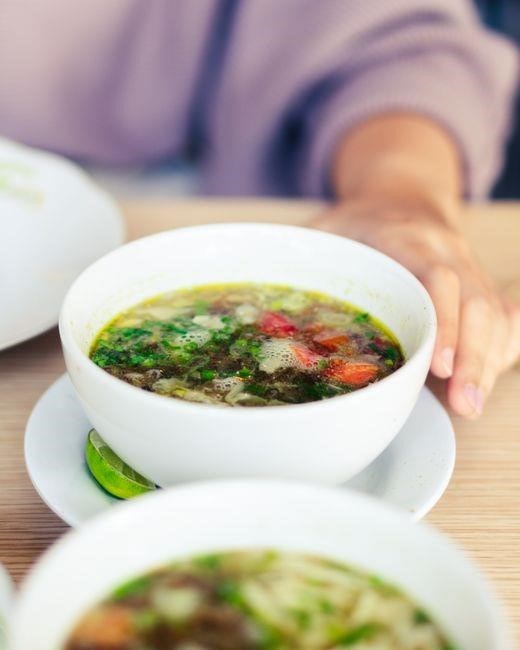
The 21‑day bone broth diet plan pdf offers a structured, nutrient‑dense regimen designed to support joint health, detoxification, and weight management․ Participants consume three daily servings of homemade broth, paired with balanced meals, to maximize collagen benefits and satiety․ Ideal for all․ Today․․
Purpose and Target Outcomes
The 21‑day bone broth diet plan pdf is crafted to harness the therapeutic power of collagen, glycosaminoglycans, and essential minerals found in slow‑cooked animal bones․ Its primary purpose is to create a gentle, anti‑inflammatory eating window that encourages cellular repair, improves gut barrier function, and supports sustainable weight loss․ Participants follow a strict daily schedule: three servings of nutrient‑rich broth at breakfast, lunch, and dinner, supplemented by low‑carb, high‑protein side dishes that keep insulin levels stable․ By limiting processed foods and focusing on bone‑derived nutrition, the plan promotes a rapid drop in visceral fat while preserving lean muscle mass․ The target outcomes include measurable reductions in waist circumference, improved joint mobility, enhanced sleep quality, and a noticeable increase in energy levels․ Additionally, the diet’s high gelatin content helps to fill the stomach, reducing cravings and aiding in mindful eating practices․ The pdf also provides a comprehensive grocery list, step‑by‑step broth recipes, and daily meal logs to track progress․ Users report a smoother digestion, fewer inflammatory flare‑ups, and a clearer complexion after completing the 21‑day cycle․ This plan is suitable for anyone seeking a low‑calorie, nutrient‑dense approach that aligns with modern wellness trends while honoring centuries of culinary tradition․ enjoy increased satiety, sleep, and a sense of community through shared broth rituals, making the 21‑day journeyand friends for all
Scientific Basis for Bone Broth Benefits
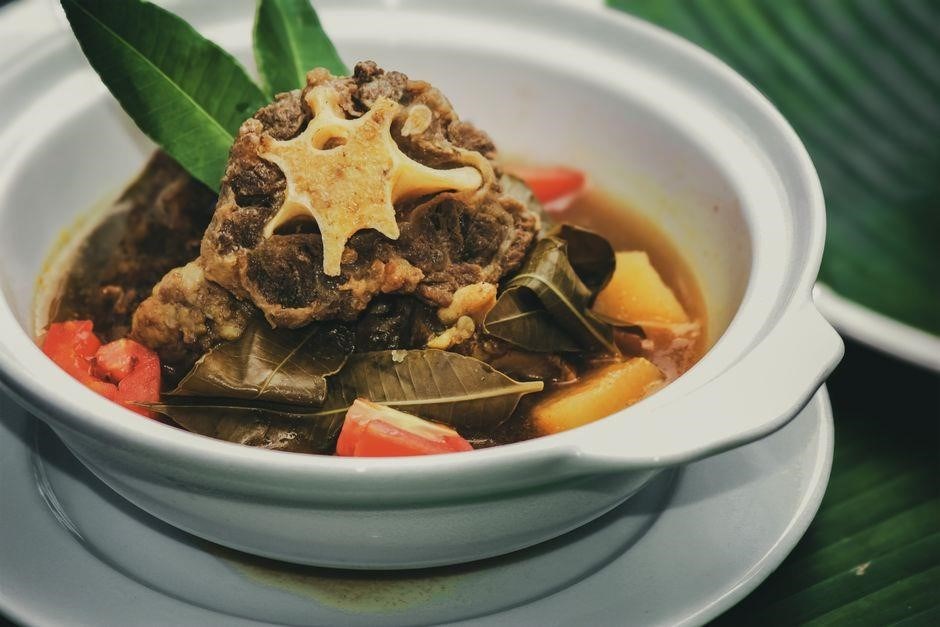
Bone broth contains collagen, amino acids, and minerals that support joint health, gut integrity, and metabolic function․ Scientific studies show gelatin improves satiety, reduces inflammation, and aids muscle recovery․ The 21‑day pdf plan harnesses these nutrients for weight loss and overall wellness․ The plan also boost collagen synthesis․
Collagen and Amino Acid Profile
Bone broth is a concentrated source of type‑I collagen, the most abundant protein in skin, tendon, and bone․ During slow simmering, collagen breaks into gelatin, releasing glycine, proline, hydroxyproline, and arginine․ Glycine accounts for ~30% of the amino acids, supporting cartilage repair and joint lubrication․ Proline and hydroxyproline together provide 20‑25% of the total, essential for collagen cross‑linking and structural integrity․ Arginine, a conditionally essential amino acid, boosts nitric oxide production, improving circulation and metabolic health․ Additionally, broth contains small amounts of glutamine, alanine, and aspartic acid, which aid gut lining repair and immune modulation․ The amino acid profile is balanced, providing both essential and non‑essential amino acids that support muscle maintenance, detoxification, and hormone regulation․ Studies show that daily consumption of 200‑250 ml of bone broth can increase circulating collagen peptides by up to 30%, enhancing skin elasticity and reducing joint pain․ In the 21‑day pdf plan, participants ingest 300‑400 ml per meal, ensuring a steady supply of these nutrients for sustained recovery and weight‑loss support․ Because the broth’s gelatinous texture provides a slow‑release protein source, it helps maintain muscle mass during caloric restriction, while the high glycine content supports liver detox pathways and the arginine boosts nitric oxide, improving vascular health and energy output during workouts․ The 21‑day pdf recommends resistance routine twice daily week to preserve lean tissue and metabolism, ensuring lasting body composition changes;

Meal Structure and Daily Schedule
The 21‑day bone broth diet pdf outlines a simple daily schedule: three broth servings at 8 am, 12 pm, and 6 pm, each 250 ml․ Between broths, a protein‑rich snack or salad ensures satiety․ Meals are timed to align with circadian metabolism, boosting fat oxidation and recovery․ It promotes satiety and energy!
Breakfast, Lunch, and Dinner Timings
In the 21‑day bone broth diet pdf, the daily meal schedule is meticulously timed to align with metabolic rhythms and maximize the absorption of collagen peptides and minerals․ Breakfast begins at 7:00 a․m․, when a 250‑ml serving of warm, slow‑cooked bone broth is paired with a protein‑rich, low‑carb breakfast such as scrambled eggs, sautéed spinach, and a sprinkle of grated parmesan․ This early intake supplies amino acids that support muscle repair and satiety, helping to curb mid‑morning cravings․ Lunch is scheduled for 12:00 p․m․; a second 250‑ml broth is consumed, followed by a balanced plate of lean protein, complex carbohydrates, and non‑starchy vegetables․ The broth’s gelatin content aids in gut motility, while the meal’s fiber content stabilizes blood glucose․ Dinner occurs at 7:00 p․m․, with the final 250‑ml broth serving preceding a light dinner of grilled fish or tofu, a side of roasted root vegetables, and a leafy green salad dressed in olive oil and apple cider vinegar․ This timing ensures that the body receives a steady stream of nutrients throughout the day, supports circadian digestion, and promotes a restful night’s sleep․ The 21‑day plan also recommends a brief 10‑minute walk after each meal to stimulate circulation and enhance nutrient uptake․ By adhering to these precise timings, participants can experience improved digestion, sustained energy levels, and a gradual reduction in body fat, all while enjoying the comforting warmth of bone broth․ Participants report increased hydration and clearer skin as a result of the consistent broth intake․ The plan’s structured schedule also encourages mindful eating, reducing stress and promoting a healthier relationship with food․ Regular adherence to the schedule has been linked to improved insulin sensitivity and a noticeable boost in metabolic rate․ Additionally, the routine supports a consistent sleep pattern, which further enhances recovery and hormonal balance․ Enjoy!․
Recipes and Broth Preparation Techniques
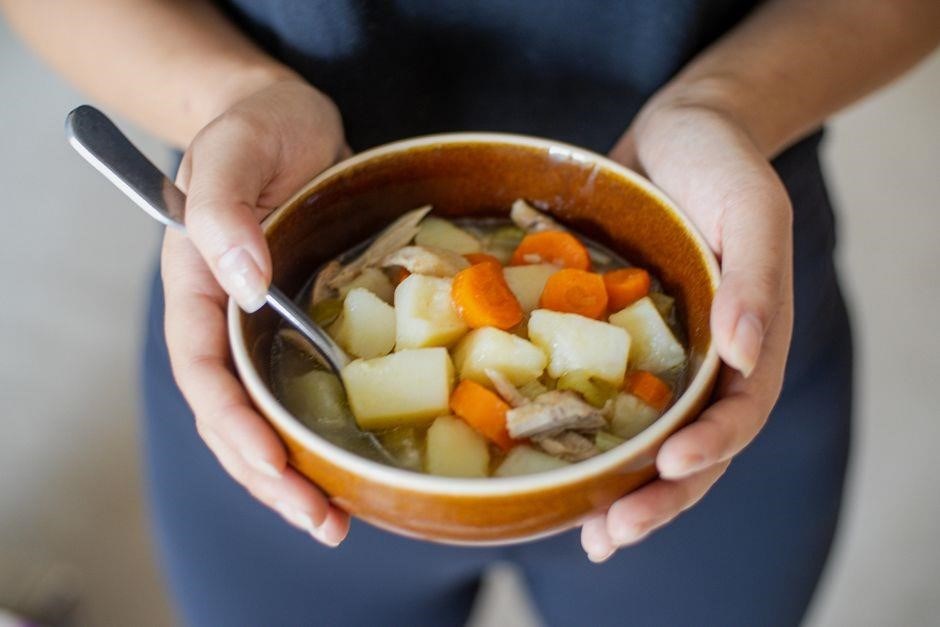
In the 21‑day plan, a slow‑simmered beef bone broth is made by simmering bones, onion, carrot, celery, garlic, and herbs for 12–24 h․ Add apple cider vinegar to extract minerals, strain, then refrigerate․ Reheat portions for daily servings, richly gelatin․
Classic Beef Bone Broth Recipe
Ingredients (for 8 cups): 2 kg beef marrow or knuckle bones, 1 large onion (quartered), 2 carrots (cut), 2 celery stalks (chopped), 4 cloves garlic (crushed), 2 tbsp apple cider vinegar, 1 bay leaf, 1 tsp peppercorns, 2 sprigs fresh thyme, 1 tbsp salt, water to cover․
Method:
- Roast bones at 400 °F (200 °C) for 30 min until browned․
- Transfer to a large stockpot, add all vegetables, vinegar, herbs, and salt;
- Cover with cold water (about 12 cups) and bring to a gentle simmer․
- Skim foam for the first 30 min, then simmer low for 12–24 h․
- Strain through a fine sieve, discard solids, and cool․
- Refrigerate; the gelatinous layer forms overnight․
- Reheat portions for daily servings․
Storage: Keep in the fridge up to 5 days or freeze in ice‑cube trays for 3 months․ Use each cup as a base for soups, sauces, or a standalone drink․
Tip: For extra flavor, simmer with a splash of soy sauce or miso during the last hour․ Add fresh herbs like dill or parsley at the end․ The broth can be used as a base for stews, risotto, or simply sipped warm․ Store in airtight containers to preserve nutrients․
Nutrition facts per cup (240 ml): 45 kcal, 6 g protein, 0․5 g fat, 1 g carbs, 12 g gelatin, 2 g glucosamine․ Adjust portions to meet calorie goals․
Optional: Add a pinch of turmeric or ginger during simmer for anti‑inflammatory benefits․
Enjoy! Hydrate!
Stay healthy, stay fit!!
Grocery List and Ingredient Sourcing
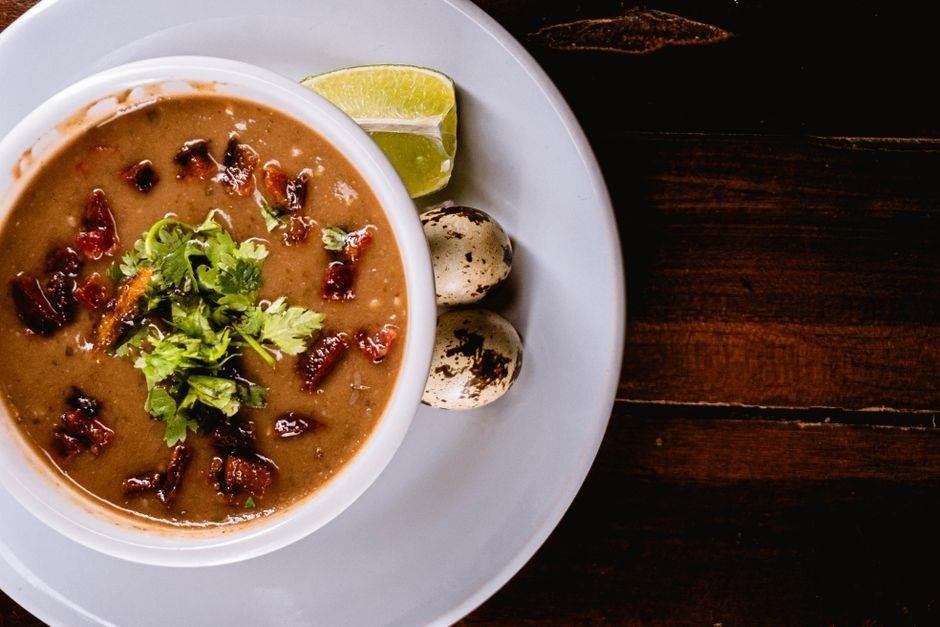
Buy 2 kg beef bones, 1 kg chicken carcasses, fresh carrots, celery, onions, garlic, apple cider vinegar, bay leaves, thyme, peppercorns, salt, and optional turmeric․ Source from local farms or organic markets for best flavor and nutrients․ and herbs․ Fresh
Essential Bones and Vegetables

For a robust 21‑day bone broth regimen, select high‑quality, nutrient‑dense bones that provide collagen, minerals, and gelatin․ Beef marrow bones, oxtail, and knuckle pieces are ideal for depth of flavor and a rich amino‑acid profile․ Chicken carcasses, especially with the head and feet, yield a silky, protein‑rich broth․ Pork ribs and neck bones add a subtle sweetness, while fish bones (salmon or cod) contribute omega‑3 fatty acids and a lighter, briny finish․ When possible, choose bones from pasture‑raised, grass‑fed, or organic animals to reduce exposure to hormones and antibiotics․
Vegetables act as flavor enhancers and nutrient boosters․ Classic aromatics—carrots, celery, onions—form the base of most broths, delivering beta‑carotene, potassium, and prebiotic fiber․ Add garlic for antimicrobial properties and a touch of heat․ Fresh herbs such as bay leaves, thyme, rosemary, and parsley infuse aroma and antioxidants․ Their natural sugars also help balance the broth’s acidity, creating a harmonious taste profile․
A splash of apple cider vinegar (2–3 Tbsp) leaches minerals from the bones, raising the broth’s density․ Optional additions include mushrooms, leeks, or turmeric for anti‑inflammatory support․
Aim for a bone‑to‑water ratio of 1:4, simmer 12–48 hours, and strain through a fine mesh or cheesecloth․ Store portions airtight, refrigerate up to 5 days, or freeze up to 3 months․ This ensures a steady supply of collagen, glucosamine, and chondroitin throughout the 21‑day plan, supporting joint health, gut integrity, and metabolic resilience․ Try․
Prioritize seasonal, locally sourced produce to reduce spoilage and support farmers․ Fresh carrots should be firm and bright orange, celery crisp and green․ For herbs, opt for organic, pesticide‑free options and consider drying or freezing them to preserve flavor․ A balanced grocery list fuels the broth and encourages mindful eating throughout the 21‑day cycle․ Enjoy!!
Supplementation and Complementary Foods
Supplementation enhances the 21‑day bone broth plan․ Add a daily probiotic capsule, 1 g of unrefined sea salt, and 500 mg of vitamin D3․ Complement with leafy greens, fermented foods, and a small protein source at each meal to balance electrolytes and support gut health․ Hydration fuels healing․ Daily․!!
Probiotic and Prebiotic Additions
In the 21‑day bone broth diet plan pdf, probiotic and prebiotic support is essential for gut resilience and nutrient absorption․ Daily probiotic capsules (10 billion CFU of Lactobacillus acidophilus and Bifidobacterium lactis) are recommended after each broth serving․ For prebiotics, incorporate 1 tsp of inulin‑rich chicory root powder into the broth or stir in ½ cup of cooked barley during the lunch portion․ Fermented foods such as sauerkraut, kimchi, and kombucha can be added as side dishes on alternate days to diversify microbial strains․ A small portion of raw, sliced garlic (1–2 cloves) or a sprinkle of ground flaxseed (1 tsp) before meals provides additional prebiotic fibers․ These additions help maintain a balanced microbiome, reduce bloating, and enhance the bioavailability of collagen peptides and minerals present in the broth․ The plan also suggests a daily vitamin C supplement (500 mg) to support collagen synthesis, and a 500 mg dose of zinc gluconate for immune function․ All supplements are stored in a cool, dry place to preserve viability․ When traveling, a travel pouch with a small ice pack can keep the capsules fresh․ The prebiotic powders should be measured with a digital scale for consistency․ The plan encourages rotating probiotic strains every two weeks to prevent dominance of a single species․ Participants are encouraged to drink at least 2 L of water daily to aid digestion and hydration․ A small piece of apple or a handful of berries can be added to the broth as a natural sweetener and prebiotic source․ The plan also suggests using a probiotic yogurt as a dessert on non‑broth days, ensuring it contains live cultures․ All supplements are be tailored to individual tolerance․! Overall, the probiotic and prebiotic strategy aligns with the 21‑day bone broth diet’s goal of fostering gut health, enhancing nutrient uptake, and supporting sustainable weight loss․
Tracking Progress and Adjusting the Plan
Track weight, waist, and energy daily․ Log broth intake and mood․ If weight loss stalls, add 10 min cardio or reduce portion by 10 %․ Adjust electrolytes with sea salt․ Use a mobile app to record progress․ Review weekly and tweak macros accordingly․ Track hydration and sleep for optimal results․!!!!
Weight and Body Composition Monitoring
Track weight, waist, hips, and body fat weekly․ Record baseline metrics with a digital scale and skinfold calipers or bio‑impedance․ Weigh at the same morning time each week․ Log results in a spreadsheet․ A steady 0․5–1 lb loss per week is typical; plateauing signals a need for tweaks․
Measure skinfolds at triceps, supra‑iliac, and thigh twice weekly․ Compare changes to assess fat loss versus muscle retention․ If rapid weight loss occurs, add a protein snack to preserve lean mass․ If weight stalls, reduce calories by 5–10 % or add moderate cardio․
Use a DEXA scan quarterly for precise lean/fat mass data․ Record energy, satiety, digestion, and joint comfort daily․ Correlate these notes with weight trends to spot patterns․ Persistent fatigue may mean protein or micronutrient needs are low․
Celebrate milestones: every 5 lb lost or 2 % body fat reduction․ Positive reinforcement keeps motivation high and supports adherence to the broth‑centric diet․ Adjustments should be incremental and monitored over at least one week before further changes․
Throughout the program, maintain hydration by drinking at least 2 liters of water daily․ Incorporate a multivitamin to cover micronutrient gaps․ Keep a food diary to note any cravings or digestive changes․ Adjust meal timing if you experience low energy in the afternoon․ Consistency and mindful eating are key to success․
After completing the 21‑day cycle, evaluate changes and plan next steps․ Consider extending the broth phase․ Continue tracking metrics to sustain progress and prevent rebound․ Celebrate your commitment and share results․

Frequently Asked Questions and Troubleshooting
Q: Will I feel hungry? A: Three broth servings plus balanced meals curb appetite․ Q: How long to see results? A: 1–2 weeks․ Q: Any side effects? A: Rare; mild bloating can be reduced with ginger․ For persistent issues, consult a professional․!!
Common Side Effects and Solutions
While bone broth is generally safe, some users report mild bloating, constipation, or nausea, especially when first transitioning to a high‑protein, low‑carb routine․ A sudden increase in gelatin can also cause a temporary “fullness” feeling․ Sodium overload is another concern, as many commercial broths contain added salt․ To mitigate these issues, start with smaller portions, gradually increase intake, and incorporate a pinch of sea salt or a low‑sodium broth base․ Adding fresh ginger or peppermint tea can soothe digestive discomfort, while a fiber‑rich side dish (e․g․, steamed broccoli or a small salad) helps prevent constipation․ Staying well‑hydrated and sipping water between meals supports kidney function and reduces sodium retention․ If you experience persistent symptoms or suspect an allergy to a specific bone type, pause the diet and consult a healthcare professional before resuming․ Remember, individual tolerance varies, so listen to your body and adjust the plan accordingly․ Some participants also notice mild fatigue or headaches, possibly due to electrolyte shifts․ Replenishing potassium with bananas or leafy greens, and ensuring adequate sleep, can alleviate these symptoms․ Now if you notice any rash or swelling, discontinue use immediately and seek medical advice․ Monitoring your hydration levels and adjusting salt intake daily can further reduce bloating and support overall wellness during the 21‑day cycle․ Adjust portion sizes and stay mindful of cravings for a sustainable plan! OK



Be the first to reply