
Stained glass patterns in PDF format offer accessible artistry, blending historical techniques with modern convenience for both hobbyists and seasoned creators.
These downloadable templates unlock a world of colorful designs, from simple suncatchers to intricate panels, fostering creativity and skill development.
What is Stained Glass and its History?
Stained glass is the art of creating images and designs using colored glass pieces, held together by lead came or zinc came. Its origins trace back to ancient Rome, but the technique flourished in medieval Europe, particularly within cathedral architecture.
Initially, stained glass served didactic purposes, illustrating biblical stories for a largely illiterate population. Over time, it evolved into a sophisticated art form, celebrated for its beauty and luminosity.
Today, stained glass patterns, often available as PDF downloads, allow modern artists to continue this rich tradition, adapting historical styles and exploring new creative avenues. The accessibility of these patterns democratizes the art form.
Why Use PDF Patterns for Stained Glass?
PDF patterns offer unparalleled convenience for stained glass artists. They are instantly downloadable, eliminating shipping costs and wait times, and easily stored digitally.
These files are universally compatible with most computers and printers, allowing for immediate use. PDFs facilitate easy scaling and printing at the desired size, crucial for adapting designs.
Furthermore, many free stained glass patterns are available in PDF format, making the art form accessible to beginners and hobbyists. They provide clear, printable templates for a variety of projects.

Finding Free Stained Glass Patterns (PDF)
Numerous online resources provide free stained glass patterns in PDF format, catering to all skill levels and design preferences for creative projects.
GlassyRock Arts: A Primary Source
GlassyRock Arts stands out as a premier destination for downloadable stained glass patterns, offering a diverse collection in easily accessible PDF templates.
This website caters to both beginners and experienced artists, providing designs ranging from simple suncatchers ideal for learning the craft, to more complex panel patterns for advanced projects.
The patterns are designed to be easy to follow, ensuring a smooth crafting experience, and are regularly updated with fresh, inspiring designs. It’s a fantastic resource for printable templates!
LoveToKnow Crafts: Another Resource
LoveToKnow Crafts presents a valuable collection of free stained glass patterns, readily available for download and perfect for enhancing your creative crafting endeavors.
This online resource provides a diverse range of designs suitable for various skill levels, allowing both novices and experienced artisans to find inspiring projects.
The easy download format makes it convenient to start your stained glass journey quickly, offering a wealth of patterns to elevate your next artistic creation. It’s a great place to explore!
Other Websites Offering Free Patterns
Beyond GlassyRock Arts and LoveToKnow Crafts, numerous websites cater to stained glass enthusiasts seeking free PDF patterns. A quick online search reveals a vibrant community sharing designs.
Many individual artists and crafting blogs offer downloadable templates, ranging from simple geometric shapes to more complex floral and abstract compositions.
Exploring these resources expands your pattern options, providing diverse styles and challenges to refine your stained glass skills and inspire unique projects. Remember to check usage rights!
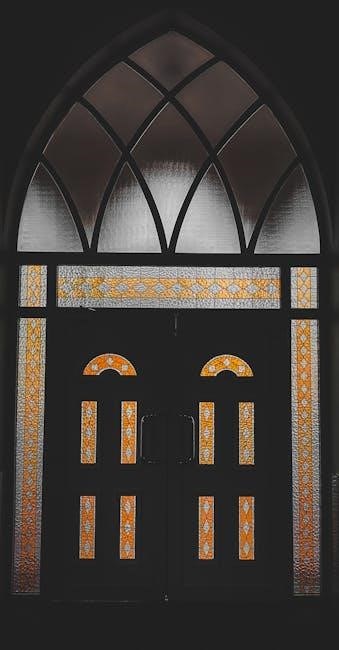
Types of Stained Glass Patterns Available as PDFs
PDF patterns encompass diverse styles, including suncatchers, geometric designs, florals, wildlife motifs, and abstract art, catering to all skill levels and aesthetic preferences.
Simple Sun Catcher Patterns
Sun catcher patterns are ideal for beginners venturing into stained glass artistry, offering manageable projects to learn fundamental techniques. These PDF downloads frequently feature basic shapes – hearts, stars, or simple flowers – requiring minimal glass pieces and straightforward cuts.
The readily available designs from sources like GlassyRock Arts and LoveToKnow Crafts provide clear, easy-to-follow templates. Successfully completing a sun catcher builds confidence and provides a beautiful, colorful addition to any window, making them a rewarding first project. They are a fantastic entry point into the craft!
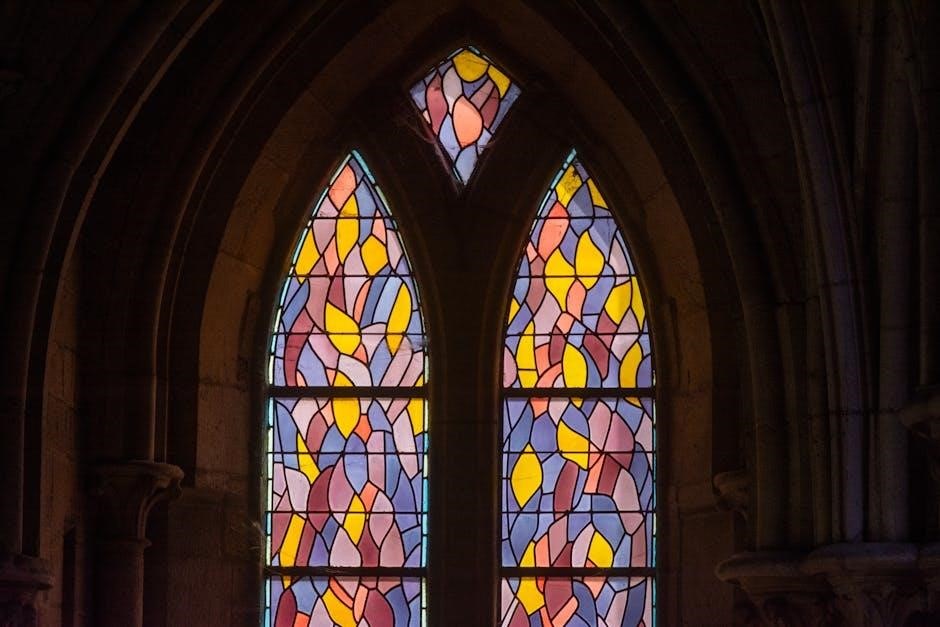
Geometric Patterns
Geometric stained glass patterns, available as PDF downloads, appeal to those who appreciate clean lines and modern aesthetics. These designs often incorporate triangles, squares, and other polygonal shapes, creating visually striking pieces.
While seemingly simple, geometric patterns demand precision in cutting and assembly. Numerous free resources offer varying complexities, from basic tessellations to more intricate kaleidoscopic designs. Mastering these patterns enhances skills in glass cutting and lead line integration, resulting in sophisticated, contemporary artwork.
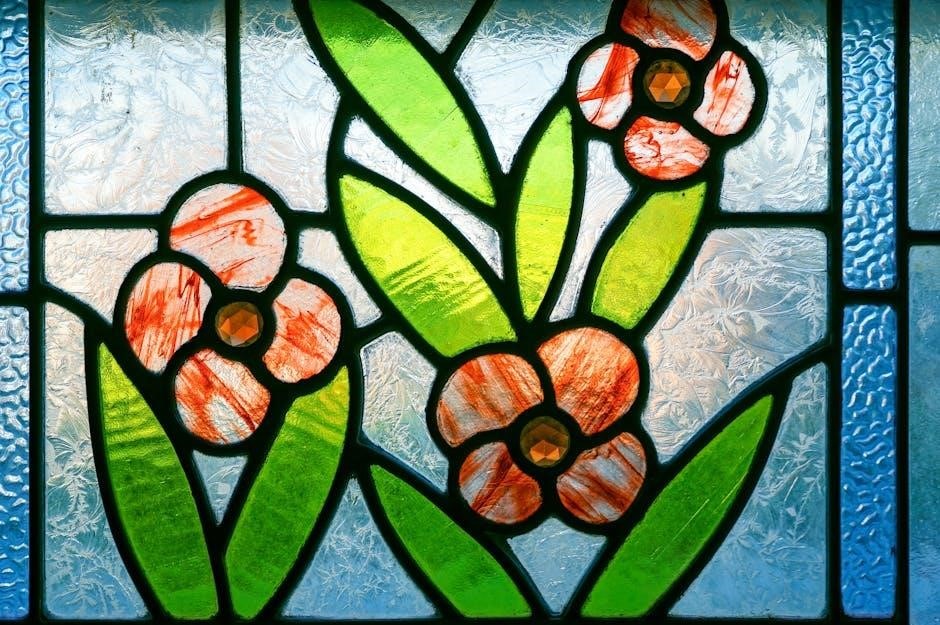
Floral Patterns
Floral stained glass patterns, readily found as PDF downloads, are consistently popular, bringing a touch of nature’s beauty indoors. These designs range from simple flower outlines to elaborate bouquets and blossoming branches, offering diverse creative avenues.
PDF floral patterns often utilize varied glass textures and colors to mimic petal softness and leaf vibrancy. Beginners can start with simplified blooms, while experienced artists tackle complex rose or lily designs. These patterns beautifully showcase glass artistry and color blending techniques.
Animal & Wildlife Patterns
Animal and wildlife stained glass patterns, available as convenient PDF files, present a captivating challenge for glass artists. These designs encompass a broad spectrum, from graceful butterflies and soaring birds to majestic mammals and playful dolphins.
PDF patterns often detail intricate feathering, fur textures, and expressive features. Artists can explore realistic portrayals or stylized interpretations, utilizing varied glass colors to capture animal vibrancy. These patterns demand precision cutting and skillful assembly, resulting in stunning, lifelike creations.
Abstract Designs
Abstract stained glass patterns, readily found as PDF downloads, liberate artists from representational constraints, encouraging pure artistic expression. These designs prioritize form, color, and texture, often featuring geometric shapes, flowing lines, and asymmetrical compositions.
PDFs provide a foundation for experimentation with glass hues and layering techniques. Artists can explore color gradients, contrasting textures, and dynamic arrangements. Abstract patterns are ideal for beginners seeking creative freedom and experienced artists desiring innovative challenges.

Understanding Stained Glass Pattern Components
PDF stained glass patterns utilize specific elements – lines, numbering, and color-coding – to guide cutting and assembly, ensuring accurate and beautiful finished pieces.
Pattern Lines and Color Coding
Stained glass patterns employ distinct line styles to convey crucial information. Solid lines typically represent the cut lines for each glass piece, defining its shape and size. Dotted or dashed lines often indicate where to apply lead came or copper foil, essential for joining the glass sections.
Color coding is a vital component, assigning specific colors to each piece, simplifying glass selection and preventing errors during assembly. A clear legend accompanies the pattern, matching colors to corresponding piece numbers. This system streamlines the process, making it easier to visualize the final design and manage materials effectively.
Piece Numbering Systems
Stained glass PDF patterns utilize numbering systems to organize and identify each glass component. Typically, pieces are sequentially numbered, starting from one, facilitating easy tracking during cutting and assembly. Some patterns employ a more complex system, grouping numbers by color or shape for enhanced clarity.
Consistent numbering is crucial; each piece should have a unique identifier. The pattern key clearly links each number to its corresponding shape and color, preventing confusion. Careful attention to these numbers ensures accurate glass selection and a successful project outcome.
Lead Line Considerations
Stained glass PDF patterns often indicate lead line placement, crucial for structural integrity and aesthetic appeal. These lines aren’t merely separators; they contribute to the design’s overall flow and visual impact. Patterns may show lead lines as thicker black lines or specific notations.
Understanding lead line direction is key – follow the pattern’s guidance for optimal strength. Strategic lead placement can emphasize shapes and create dynamic compositions. Beginners should carefully study these lines, as they define the final piece’s character and stability.

Software and Tools for Working with PDF Patterns
Utilizing PDF viewers and editors is essential for scaling, printing, and even modifying stained glass patterns, enhancing workflow and customization options.
PDF Viewers and Editors
Accessing and manipulating stained glass patterns often begins with a reliable PDF viewer. Adobe Acrobat Reader is a widely used, free option, providing basic viewing and printing capabilities.
However, for more advanced tasks like pattern annotation or minor edits, consider PDF editors such as Adobe Acrobat Pro (paid) or alternatives like PDFescape (online, free/paid).
These tools allow you to zoom in for detailed examination, add notes regarding glass color choices, and even adjust line weights if necessary before printing your pattern for cutting.
Pattern Scaling and Printing
Accurate pattern sizing is crucial for successful stained glass work. Most PDF viewers allow scaling during printing; ensure you select “Actual Size” or verify measurements with a ruler before proceeding.
Printing on heavier weight paper, like cardstock, provides durability for repeated use during cutting. Consider a test print to confirm color accuracy and pattern clarity.
Proper scaling prevents errors, ensuring pieces fit together seamlessly. Adjusting the scale incorrectly can lead to significant issues during assembly, impacting the final project’s aesthetic.
Software for Modifying Patterns
For advanced users, software like Adobe Illustrator or Inkscape allows for pattern customization. These tools enable adjustments to design elements, size alterations, and even the creation of entirely new patterns from existing PDFs.
Vector graphics editors are ideal, as they maintain image quality during scaling. Simple PDF editors can also merge or split patterns, useful for complex projects.
Modifying patterns requires a basic understanding of design principles and software functionality, but unlocks significant creative control over the final stained glass piece.
Essential Materials for Stained Glass Work
Beyond the PDF pattern, successful stained glass requires specialized tools – glass cutters, foil, solder, and a soldering iron – to bring designs to life.
Glass Selection
Choosing the right glass is crucial for realizing your stained glass pattern’s vision. Consider the pattern’s color scheme and texture requirements when selecting glass sheets.
Variety abounds, from transparent to opaque, textured to smooth, and a vast spectrum of colors. Beginners often start with affordable, readily available sheet glass.
Experienced artists explore specialty glasses like cathedral, opal, or dichroic glass for unique effects. Remember that glass thickness impacts cutting and structural integrity, so match it to the pattern’s complexity.
Cutting Tools
Essential cutting tools are paramount for accurately translating your stained glass pattern into reality. A glass cutter, typically oil-filled, scores the glass for clean breaks.
Running pliers gently separate the scored pieces, while grozing pliers refine edges. A breaker/separator assists with larger or oddly shaped cuts.
Safety is key: always wear safety glasses! Invest in quality tools for precision and longevity. Proper tool maintenance, like oiling cutters, ensures optimal performance and reduces breakage.
Foiling and Soldering Supplies
Foiling and soldering secure your cut glass pieces, bringing the pattern to life. Copper foil tape wraps each piece’s edge, creating a surface for solder to adhere to.
A soldering iron, flux, and solder (typically 60/40 tin/lead) join the foiled pieces. Flux cleans the metal, enabling a strong bond.
Safety gear, including a ventilation system, is crucial due to fumes. Quality supplies ensure a durable and visually appealing finished piece, enhancing your stained glass project.

Beginner Tips for Using Stained Glass Patterns
Start with simple patterns, prioritize accurate cutting, and practice basic soldering techniques for success. Patience and precision are key to beautiful results!
Choosing Your First Pattern
Selecting an initial stained glass pattern is crucial for a positive experience. Beginners should opt for designs with fewer pieces and straightforward shapes, like simple suncatchers.
Avoid intricate details or complex curves initially, as these demand greater skill and precision. Look for patterns clearly labeled with piece numbers and color coding – these features simplify the process.
PDF patterns from resources like GlassyRock Arts and LoveToKnow Crafts often categorize designs by difficulty, making selection easier. Prioritize patterns that inspire you, but realistically assess your current skill level to ensure a rewarding first project!
Cutting Glass Accurately
Precise glass cutting is fundamental to successful stained glass work. When using a PDF pattern, carefully transfer each piece’s shape onto the glass using a pattern marker.
Employ a quality glass cutter with a sharp wheel, applying consistent pressure during each score. Practice proper technique – a smooth, continuous line is key.
After scoring, gently tap the underside to initiate the break. Accuracy is paramount; slight errors accumulate, impacting the final fit. Utilize running pliers for controlled breaks, and always wear safety glasses!
Soldering Techniques for Beginners
Soldering joins glass pieces, creating a durable and beautiful artwork. Begin with a 60/40 solder – 60% tin, 40% lead – and a temperature-controlled iron. Flux is essential, cleaning the metal and aiding solder flow.
Apply heat to both the glass and the solder simultaneously, creating a smooth, consistent bead along the foil. Avoid overheating, which can burn the flux. Practice on scrap pieces first!
Proper ventilation is crucial due to lead fumes. Clean your iron regularly and always prioritize safety when working with heated tools and materials.
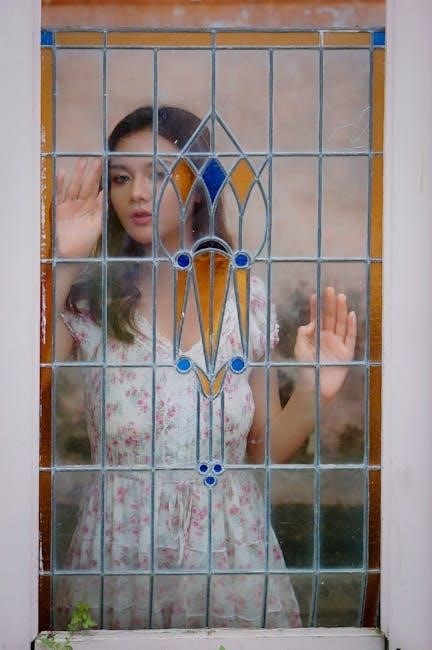
Advanced Stained Glass Techniques & Patterns
Complex stained glass projects demand mastery of panel construction, diverse glass textures, and intricate design creation, often utilizing detailed PDF patterns.
These techniques elevate artistry, transforming simple patterns into stunning, multi-layered masterpieces.
Panel Construction
Constructing stained glass panels from PDF patterns involves meticulous assembly of individually cut glass pieces. Accurate cutting, following the pattern’s lines, is paramount for a seamless fit.
Once cut, each piece is typically foiled – applying copper foil around the edges – preparing it for soldering. The foiled pieces are then arranged according to the pattern and carefully soldered together, creating strong, defining lead lines.
Reinforcing the panel with zinc came or a frame adds structural integrity, especially for larger designs. PDF patterns often include detailed diagrams illustrating this process, guiding artisans through each step of panel creation.
Using Multiple Glass Textures
Elevating stained glass work involves skillfully combining diverse glass textures within a single project. PDF patterns can inspire experimentation with ripple, seedy, or frosted glass, adding depth and visual interest.
Strategic placement of textured glass highlights specific elements, creating focal points and enhancing the overall design. Consider how light interacts with each texture – a crucial aspect of planning.
PDF patterns often suggest glass types, but artistic freedom allows for personalized choices. Mastering texture combinations transforms a standard piece into a captivating work of art.
Creating Complex Designs
Advanced stained glass artists leverage PDF patterns as a foundation for intricate creations. These patterns often feature numerous pieces and detailed color schemes, demanding precision and patience.
Successfully executing complex designs requires strong cutting skills, accurate foiling, and meticulous soldering. Modifying existing PDF patterns or designing custom ones unlocks limitless possibilities.
PDF software aids in scaling and adapting designs. Layering glass, incorporating bevels, and employing advanced techniques elevate projects, transforming simple patterns into stunning masterpieces.
Copyright and Usage Rights of PDF Patterns
PDF stained glass patterns vary in licensing; free patterns often restrict commercial use, while paid versions grant broader permissions for personal enjoyment.
Respecting creator rights ensures continued availability of these valuable resources.
Free vs. Paid Patterns
Free stained glass patterns (PDF) are excellent starting points for beginners, offering a low-risk way to learn and experiment with designs. Resources like GlassyRock Arts and LoveToKnow Crafts provide a diverse selection, ideal for simple projects and skill-building.
However, these often come with limitations, primarily restricting commercial use – you generally can’t sell items made from them. Paid patterns, conversely, typically grant broader usage rights, allowing for the creation and sale of finished pieces. They frequently feature more complex and detailed designs, alongside clearer instructions and support from the pattern designer, representing a valuable investment for serious enthusiasts.
Commercial Use Restrictions
PDF stained glass patterns obtained freely often carry strict commercial use restrictions. Typically, these patterns are intended for personal enjoyment and learning purposes only. Selling artwork created using these free designs is generally prohibited without explicit permission from the copyright holder.
Conversely, purchasing a pattern usually grants a license for limited commercial use, such as selling a specific number of items. Always carefully review the pattern’s terms and conditions before offering finished pieces for sale, ensuring compliance with the designer’s copyright stipulations to avoid legal issues.
Resources for Further Learning
Expanding your stained glass knowledge beyond patterns requires dedicated resources. Websites like GlassyRock Arts and LoveToKnow Crafts offer tutorials alongside their PDF patterns, providing foundational skills.
Explore online forums and communities dedicated to stained glass artistry for peer support and advanced techniques. Consider workshops or classes for hands-on instruction. Books covering glass cutting, foiling, and soldering are invaluable. YouTube channels demonstrate various methods, enhancing your understanding and creative potential.



Be the first to reply